
Cycling is not only a practical way of getting around, but also a good workout for a wide variety of muscle groups. That’s why we’re taking a closer look at this popular sport and would like to highlight the benefits of cycling. Which muscles are trained and how can you get into cycling if you haven’t ridden a bike for a long time? You can find the answers here.
Legs, bottom and core: which muscles are trained when cycling?
Cycling uses many muscles in the body. However, these muscle groups benefit particularly strongly from cycling:
-
Quadriceps (quadriceps femoris muscle): The quadriceps are located on the front of the thigh and are responsible for pedaling downwards.
-
Hamstrings: The hamstrings are located at the back of the thigh and help to pull the leg upwards.
-
Adductors: The adductors on the inside of the thighs are responsible for bringing the legs together and stabilizing them. They are also stressed when cycling.
-
Calf muscles: When you push the pedal down and stretch your feet, you strengthen the calf muscles on the back of your lower leg.
-
Gluteal muscles (gluteus maximus, medius and minimus muscles): Not only the legs, but also the buttocks are strengthened when cycling. The gluteal muscles support the extension of the hips and stabilize the pelvis when cycling.
-
Core muscles: The abdominal muscles and lower back muscles are also needed for stability and posture when cycling. That’s why you also strengthen these muscle groups when cycling.
Nutrition and regeneration for optimal muscle building
With regular cycling training, you strengthen your muscles in your legs, bottom and core almost automatically. However, make sure that your muscles have all the important nutrients they need! Proteins are of great importance here. Incorporate plenty of protein into your diet! Good sources of protein include lean meat, fish, eggs, dairy products and pulses.
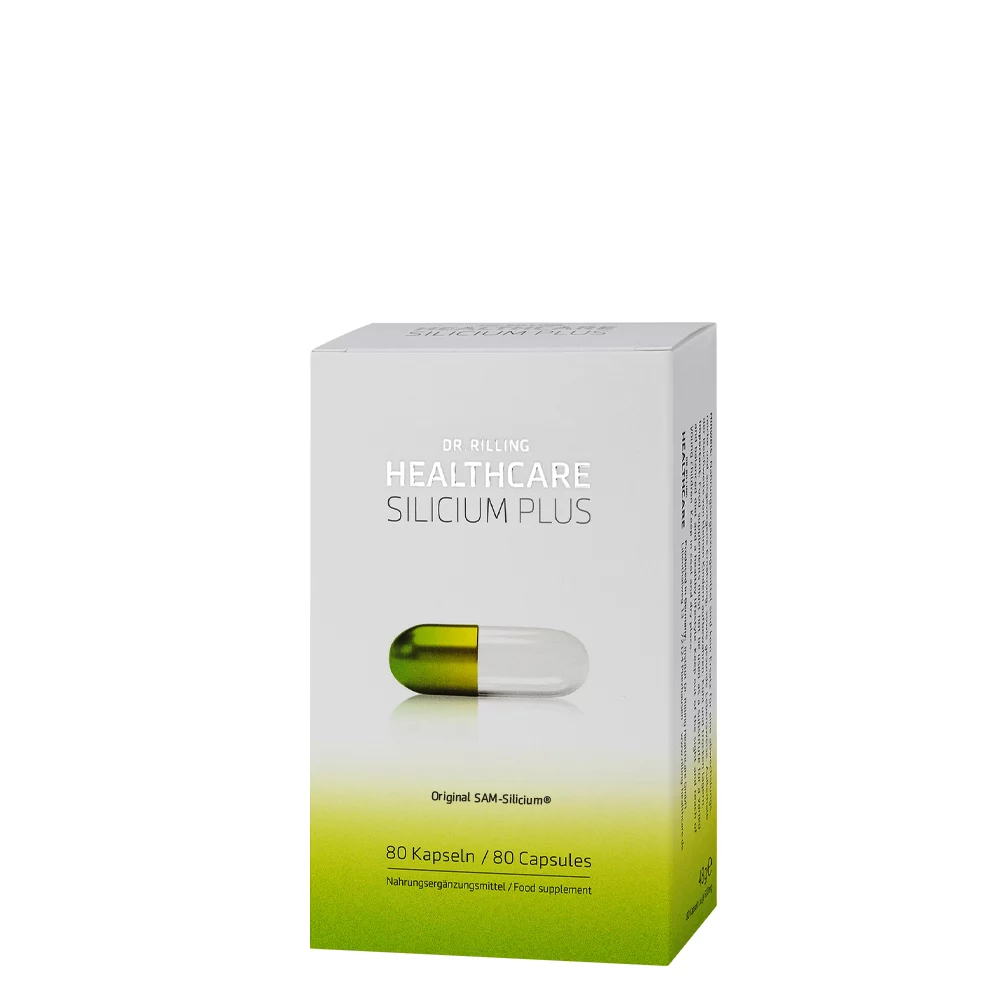
In addition to a balanced diet, additional calcium and magnesium, which are also contained in our SILICIUM PLUS and SILICIUM PRIME food supplements, can also provide support. Magnesium and calcium are important for healthy muscle function and energy metabolism.
Also important: stretch at the beginning and end of a workout and make sure that your muscles have enough time to regenerate! Therefore, give them sufficient breaks.
Tips for beginners: How to get started with cycling
You haven’t cycled more intensively for a long time and want to take advantage of the benefits of this sport? Then these tips will help you.
-
If you have little stamina or live in a mountainous area, an e-bike can be a great help. You can always decide for yourself how much assistance you need from the motor. This gives you confidence and helps you to adapt the intensity of your training to your needs.
-
To avoid putting unnecessary strain on your back and joints when cycling, it is very important to adjust your bike correctly. Seek advice from a specialist dealer or inform yourself well in order to optimally adjust the saddle, pedals and handlebars.
-
When cycling, wear comfortable clothing and sturdy shoes that won’t slip off the pedals! A well-fitting helmet is a must for your safety.
-
Don’t overextend yourself at the beginning! Choose short, flat routes with little traffic to get you used to cycling again.
-
Regular riding is important to develop a routine and increase your endurance. Start with two to three training sessions per week lasting around 20 to 30 minutes.
-
Set yourself small goals and reward yourself when you achieve them! Perhaps riding together with friends or joining a cycling group will motivate you.
Conclusion
Cycling is an effective sport for strengthening many different muscle groups. The legs, buttocks and core in particular are used and trained. Use cycling to keep yourself healthy and also to get from A to B in an environmentally friendly way.
Matching articles: Calcium and magnesium (ingredients in our SILICIUM PLUS and SILICIUM PRIME) contribute to the normal function of energy metabolism and normal muscle function.