
The trend towards a vegan diet has become increasingly popular in recent years. Vegans do without animal products. Thanks to the growing range of tasty vegan products in the supermarket, it is now easier than ever to lead a vegan lifestyle. But have you ever wondered how to ensure you get all the important nutrients from a vegan diet?
Proteins as important nutrients in vegan foods
Proteins, together with fats and carbohydrates, are macronutrients. The best way to cover your protein requirements in a vegan diet is with these foods:
- Pulses such as beans, chickpeas, lentils and peas are excellent sources of protein and are also very versatile.
- Nuts and seeds contain lots of protein and healthy fats.
- Whole grains are also rich in protein. Quinoa is particularly high in protein.
All these foods are not only healthy for vegans. Vegetarians and mixed dieters should also eat plenty of these healthy foods.
Iron in vegan foods
Iron is an important nutrient that is needed for the formation of red blood cells. As iron is mainly found in meat and other animal products, you should specifically look out for iron-rich products in a vegan diet. Good plant-based sources of iron are pulses, wholegrain cereals, nuts, seeds and green leafy vegetables.
Tip: Vitamin C improves the absorption of iron from plant-based foods. It is therefore helpful to combine iron-rich and vitamin C-rich foods.
Sources of vitamin B12 in the vegan diet
Vitamin B12 is mainly found in animal products such as meat, milk and eggs. It can therefore be a challenge to consume sufficient amounts of it in a vegan diet. Algae and fermented products such as sauerkraut are plant-based foods that contain significant amounts of vitamin B12. Therefore, include these foods in your diet regularly! You should also have your vitamin B12 level checked regularly so that you can take supplements to counteract any impending deficiency in good time.
Well supplied with calcium
Calcium is an important nutrient that is essential for the health of bones, teeth, muscles and nerves. Unfortunately, many traditional sources of calcium are of animal origin. Milk and dairy products in particular are considered good sources of calcium. But there are also calcium-rich foods in the vegan diet, for example fortified plant-based milk drinks, pulses, nuts and seeds. Some vegetables also contain significant amounts of calcium, such as cabbage and turnips.
Do you need food supplements for a vegan diet?
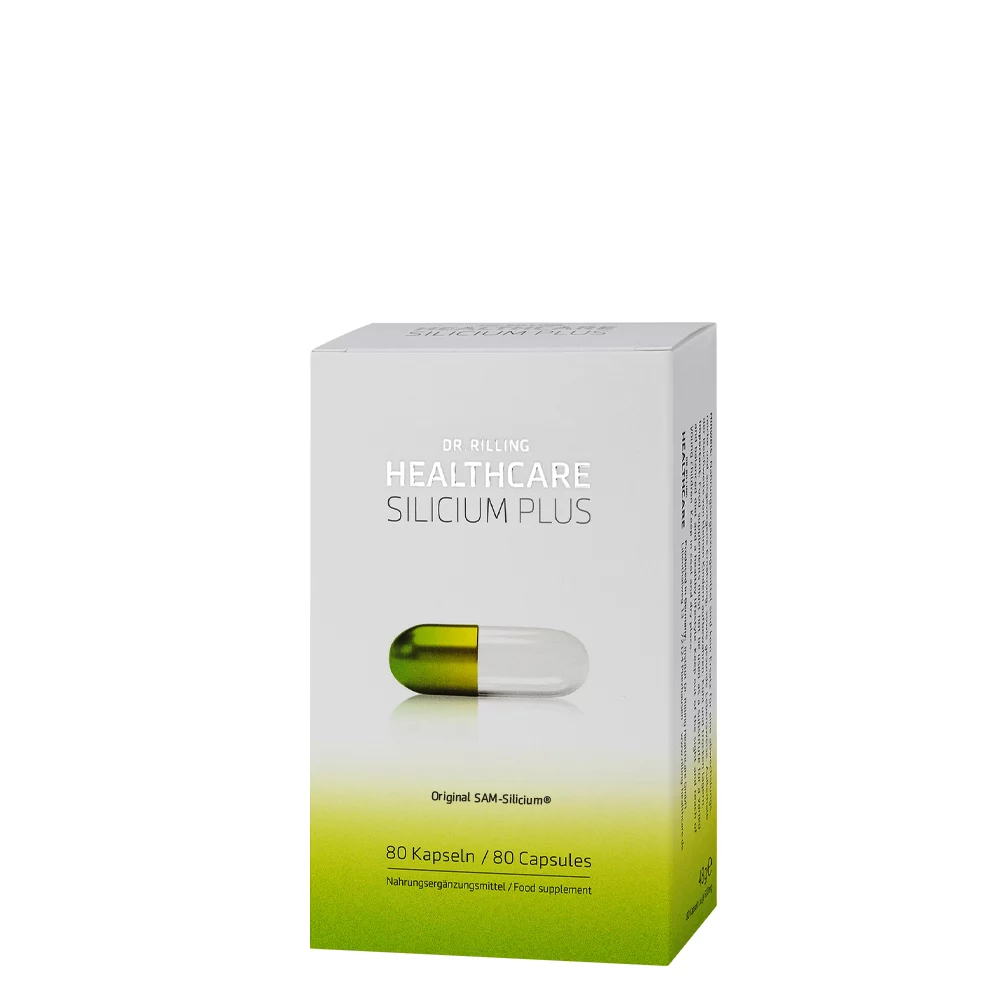
With a balanced and varied selection of foods, you can easily get most nutrients even as a vegan. It only becomes difficult with some substances, for example vitamin B12, iron and calcium. Food supplements can be very useful here. Have your vitamin B12 and iron levels checked regularly! For a good supply of calcium, we recommend our vegan SILICIUM PLUS capsules. They contain calcium and magnesium, valuable minerals for your health.