
Are you going through the menopause and often feel tired, exhausted and thin-skinned? Then it could be that you are suffering from a magnesium deficiency. This problem is quite common during the menopause. That’s why you should pay attention to this issue. We explain why a magnesium deficiency can occur during the menopause and what you can do about it.
Compensate for magnesium deficiency through diet
Magnesium-rich foods are a good way to compensate for a deficiency. Nuts, seeds, oatmeal, unpolished rice and wholegrain products are all rich in magnesium. Dark chocolate and marzipan are also rich in magnesium, so you can even do yourself some good when snacking. Incorporate magnesium-rich foods into your diet as often as possible! Your body can then replenish its magnesium stores more quickly.
Dietary supplements against mangesium deficiency during the menopause
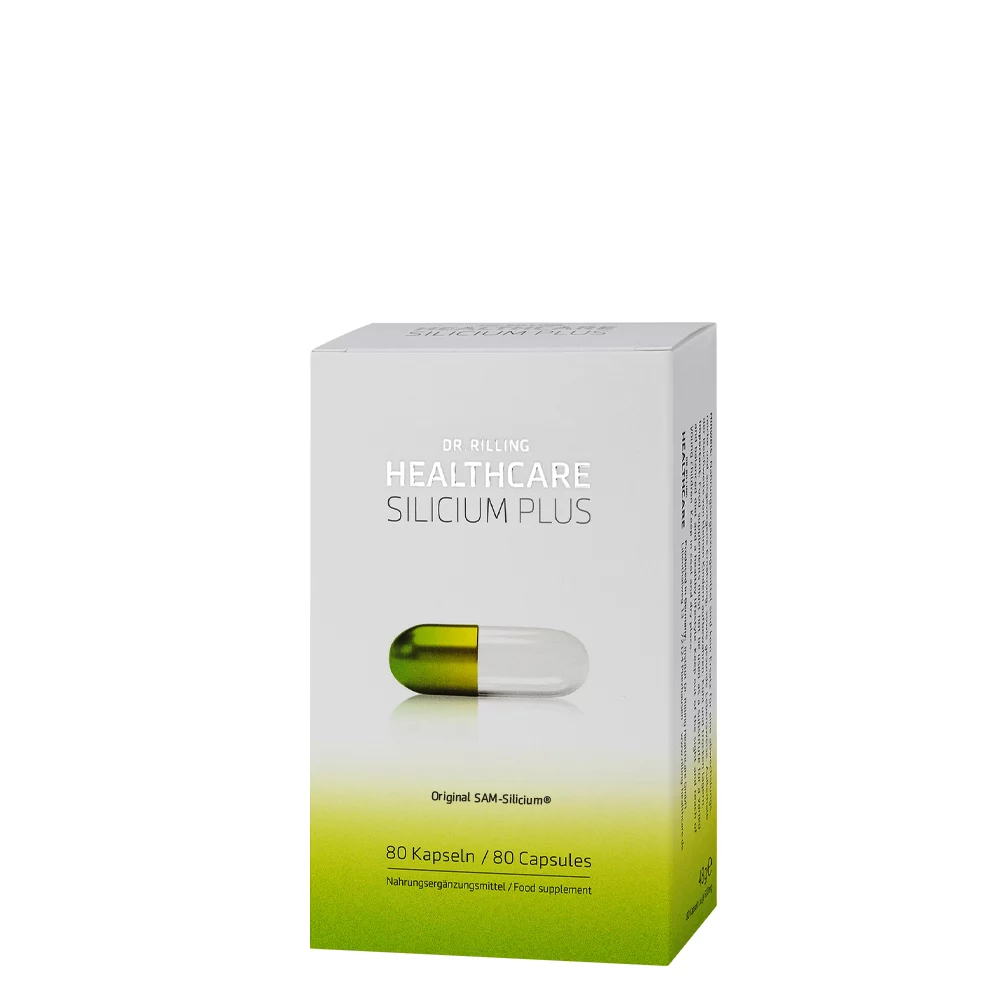
Of course, in addition to a healthy and balanced diet, you can also counteract a magnesium deficiency with food supplements. This way you can be sure that your body is sufficiently supplied with this mineral, even without making major changes to your diet. Of course, a balanced and healthy diet is still the most important thing for you. However, high-quality food supplements will help you to achieve the necessary amounts more easily with an additional nutrient boost. We recommend SILICIUM PLUS from our range if you have a magnesium deficiency. The vegan capsules contain calcium as well as magnesium.
Conclusion
Magnesium deficiency can lead to various unpleasant side effects and exacerbate existing menopausal symptoms. You should therefore take countermeasures with an adapted diet and/or dietary supplements. Then you will soon feel more vital, healthier and full of energy again and be able to enjoy your life more!
Matching article: SILICIUM PLUS contains calcium and magnesium. The two minerals contribute to the normal functioning of the energy metabolism.
Read more in our guide
- Vitamin D and Menopause
- An Overview of Vitamins for Women
- Should you take magnesium before or after exercise?
You can find all the articles compiled in the section Health & Nutrition.