
Bread is part of our culture like hardly any other food. The selection of bread varieties is correspondingly large. But with a large selection comes the agony of choice. Which bread is really the right one? How can I recognize types of bread that provide my body with as many valuable nutrients as possible? Our tips will make it much easier for you to choose in future.
Wholemeal bread, gray bread or white bread
The most important basic rule when it comes to bread (and many other foods) is that wholemeal flour is the healthier alternative to white flour. White flour refers to light-colored, refined types of flour in which the outer layers of the grain have been removed. However, it is here, in the germ and bran, that the most important nutrients are found. Vitamins, minerals and fiber are lost in this way. What remains are carbohydrates and empty calories that only make you fat. White bread, light-colored rolls, baguettes and toast are therefore the worst choice when it comes to bread
But what about gray bread? Unfortunately, this is also made from white flour and is therefore not a particularly good choice for your health. Of course, you can treat yourself to a farmer’s bread or crusty bread from time to time. But in the long run, wholemeal bread is the best choice. Wholemeal bread contains the power of whole grains and therefore the full nutrient content. It also provides the body with many important minerals, vitamins, antioxidants and fiber. It is ideal if the wholemeal bread contains not only wheat, but also spelt or other grains.
Please note: dark bread is not the same as wholemeal bread
Most people know that wholemeal bread is supposed to be healthier. That’s why many people opt for darker types of bread and rye or grain rolls as part of a healthy diet. However, this is by no means always wholemeal bread. Ask your baker specifically for real wholemeal bread rolls! Most bakeries only have one or two types on offer. The situation is no better with bread: Grain breads are not automatically wholemeal breads. Even the dark color says nothing. Bread is often dyed darker to appear healthier. Only the list of ingredients or competent staff in the bakery can provide real information.
The role of seeds, grains and nuts
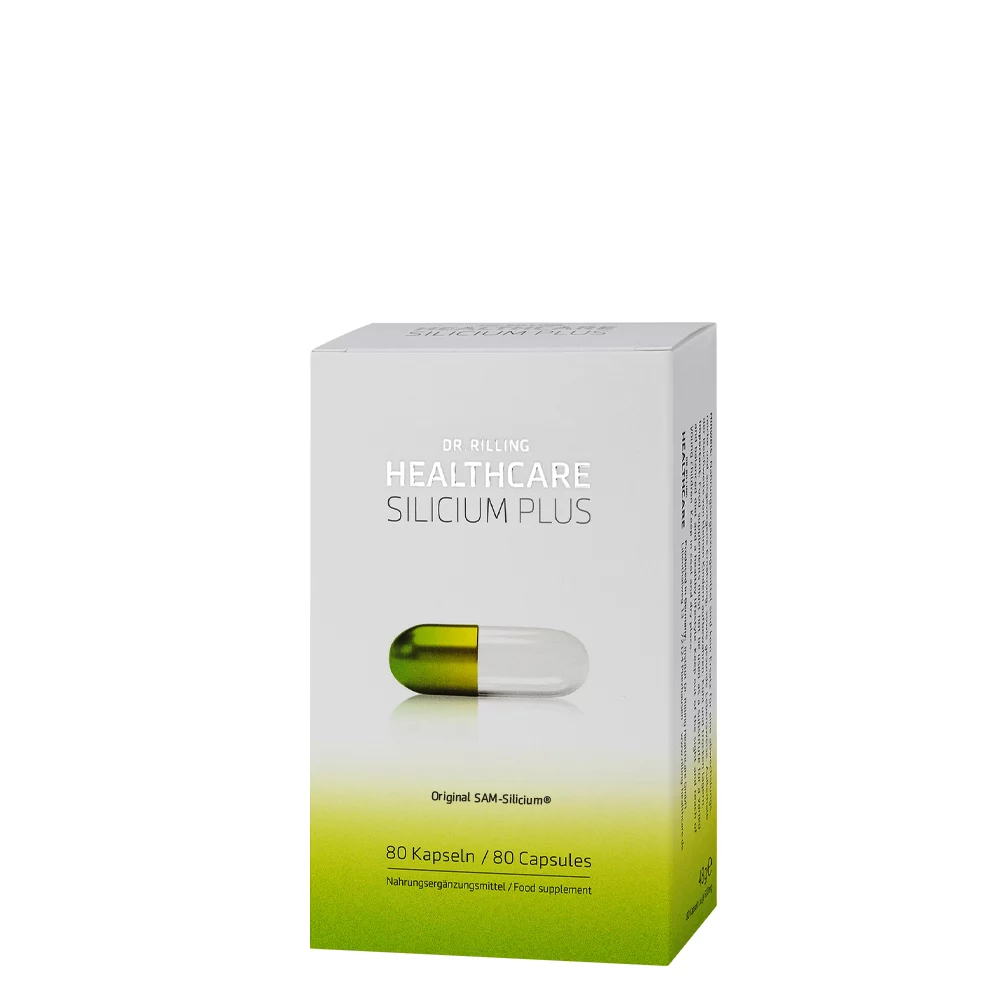
Nuts, seeds and grains are not only delicious, but also provide additional valuable nutrients. They are rich in vitamins, minerals, proteins and antioxidants. They also provide variety in texture and taste. Wholemeal breads with seeds, nuts and grains are therefore a very good choice. However, they are quite high in calories. By the way: To give your body even more healthy minerals, food supplements are a safe way to go. We recommend our aluminum-free and vegan SILICIUM PLUS capsules. In addition to silicon, they contain the important minerals calcium and magnesium.
Baking bread at home: a healthy alternative to the supermarket
Did you know that November 17th is Homemade Bread Day? Baking bread is not that difficult and you can find countless recipes and instructions on the internet. With a little practice, you can conjure up healthy and delicious bread at home, knowing the ingredients inside out. The smell of freshly baked bread in the house comes for free. Why not give it a try?
Matching article: SILICIUM PLUS contains calcium and magnesium, which contribute to a healthy energy metabolism as well as bones and teeth. Magnesium also has a function in protein synthesis.
Read more in our guide
You can find all the articles compiled in the section Health & Nutrition.