
Our body consists of countless cells that work together perfectly and are constantly renewing themselves. They divide and thus constantly form new cells that can replace old or broken cells. Good cell division is important for the repair and health of all body structures. We have explained how this process works very simply here. This background knowledge can help you to support cell division in your body.
Mythosis and cytokinesis, the two phases of cell division
Cell division takes place in two phases, also known as mitosis and cytokinesis. In simple terms, they work like this:
Myth
Mitosis is the first phase of cell division. Seen from the outside, the cell still forms a single unit, but division processes of great importance are already taking place on the inside. The most important goal in mitosis is the duplication of the cell nucleus and the DNA it contains. Each individual cell nucleus contains the genetic information of our body. This information is stored on the chromosomes. During mitosis, the cell duplicates the chromosomes. They then arrange themselves in such a way that they can be evenly distributed between two daughter cells. Individual cell envelopes now form around the two identical sets of chromosomes. As a result, at the end of the mitosis phase, the cell has two separate cell nuclei with the same genetic information.
Cytokinesis
Once mitosis is complete, the second phase of cell division, cytokinesis, follows. Here, the cell divides into two identical daughter cells. This happens in different ways in animal and plant cells:
- Animal (and therefore also human) cells constrict in the middle until two new cells are formed, each with an identical nucleus.
- Plant cells do not have a flexible envelope. They therefore form a dividing wall in the middle of the old cell and split into two new ones.
Meiosis: a special form of cell division
There is a second type of cell division, known as meiosis. Meiosis plays an important role in reproduction. In meiosis, the daughter cells do not contain the same genetic information as the mother cell. Instead, new cells are formed that only contain half the chromosome set. Egg or sperm cells are formed from these. When these come together, a new mixture of chromosomes from the father and mother is created. Apart from the peculiarity of the halved chromosomes, mitosis and meiosis function very similarly.
The importance of cell division for life
Healthy cell division is a prerequisite for life. Every cell goes through a cell cycle in which it grows, works and finally divides into new, fresh cells. This is how the body’s structures are constantly rejuvenated. Defective or old cells can be discarded. They therefore no longer undergo a new cell cycle, but are replaced by new, healthy cells. The body constantly repairs itself through cell division. To ensure that this works well in the long term, you can support your body. These are the most important measures:
- Ensure healthy sleep! During the night, the body regulates the cell cycle and the division of individual cells.
- Reduce stress! During periods of pronounced stress, the body slows down certain functions that do not seem important at the time. This includes cell division.
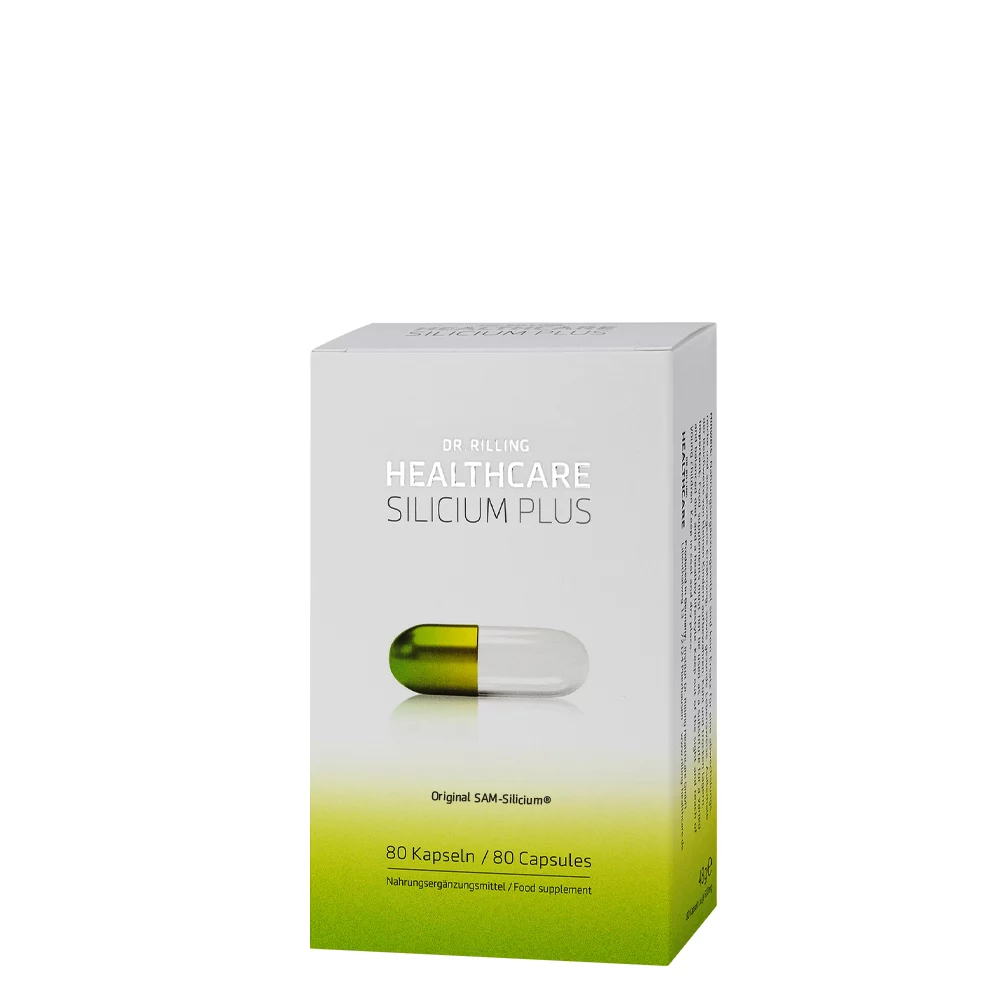
- Provide your body with all the important nutrients it needs! In addition to a healthy diet, good nutritional supplements can be an important support. For example, we recommend SILICIUM PLUS with calcium and magnesium. Both minerals contribute to healthy cell division. Calcium also has a function in cell specialization.